
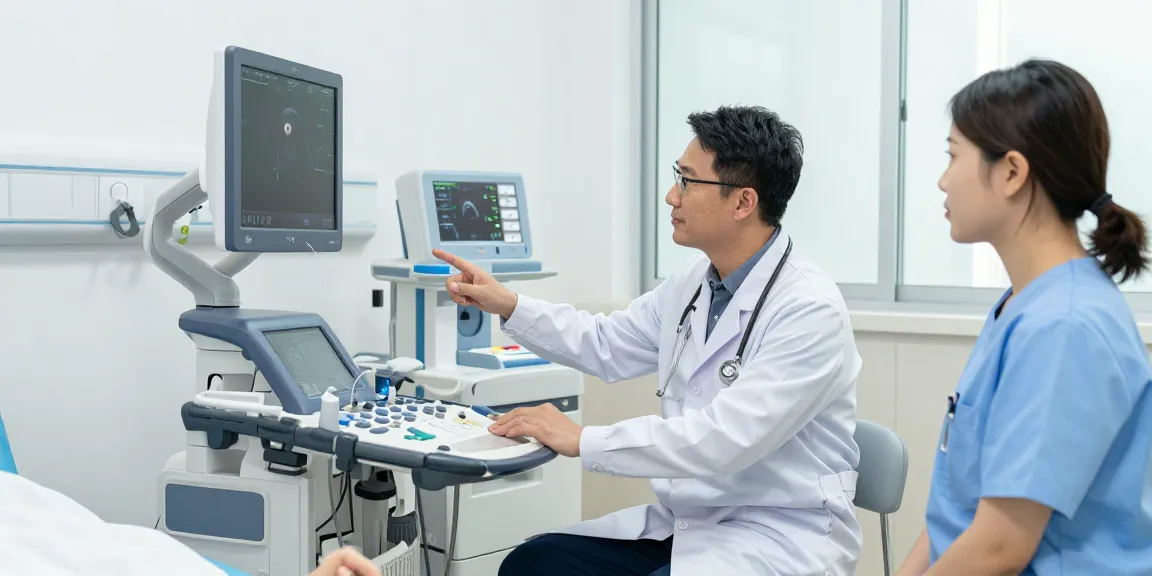
Understanding the Role of Medical Equipment in Healthcare
Medical equipment is pivotal in delivering high-quality healthcare, encompassing a range of devices used for diagnosis, monitoring, and treatment of medical conditions. The effectiveness of healthcare systems largely depends on the availability and functionality of advanced medical equipment. When exploring options, medical equipment provides comprehensive insights into the different types and their applications that enhance patient care.
What constitutes medical equipment?
Medical equipment comprises a wide array of devices, instruments, apparatuses, and machines that are used in the medical field. This category includes everything from simple tools like thermometers and stethoscopes to complex machinery such as MRI machines and life-support systems. Generally, medical equipment can be classified into two primary categories: diagnostic equipment (used to diagnose diseases) and therapeutic equipment (used to treat patients).
The significance of medical equipment in patient care
In modern healthcare, the significance of medical equipment can hardly be overstated. Advanced medical devices enhance the accuracy of diagnoses and treatments, ultimately improving patient outcomes. For instance, devices like digital imaging systems allow healthcare providers to visualize internal structures of the body with high precision, facilitating early intervention for diseases. Furthermore, medical equipment supports continuous monitoring of patient vitals, enabling timely responses to critical situations.
Overview of types of medical equipment
Medical equipment encompasses various types, each serving a specific purpose in healthcare settings. Here are some key categories:
- Diagnostic Equipment: Includes X-ray machines, ultrasound devices, and CT scanners.
- Therapeutic Equipment: Such as dialysis machines, infusion pumps, and surgical instruments.
- Monitoring Equipment: Devices that track patient parameters, including ECG machines and pulse oximeters.
- Durable Medical Equipment (DME): Equipment designed for long-term use, including wheelchairs, beds, and prosthetics.
- Life-Support Equipment: Critical devices like ventilators and defibrillators that sustain life in emergency situations.
Essential Features and Innovations in Medical Equipment
Key technologies driving medical equipment advancement
The medical equipment landscape is undergoing rapid technological advancements. Innovations such as artificial intelligence (AI), machine learning, and the Internet of Things (IoT) are transforming the functionalities of medical devices. For instance, AI algorithms are now utilized in imaging equipment to enhance the interpretation of scans, leading to quicker and more accurate diagnoses. This integration of sophisticated technologies not only improves efficiency but also empowers healthcare providers to make informed decisions.
Regulatory standards and compliance considerations
Compliance with regulatory standards is crucial for ensuring the safety and efficacy of medical equipment. Regulatory bodies like the Food and Drug Administration (FDA) in the United States and similar organizations worldwide establish stringent guidelines for the approval and monitoring of medical devices. Manufacturers must prove that their equipment meets safety and performance criteria before receiving approval for market use.
Trends in medical equipment innovation for 2026
As we look ahead to 2026, several trends are expected to shape the medical equipment sector. These include the increased adoption of telemedicine devices, a rise in patient-centric devices for at-home monitoring, and developments in wearable health technology. Additionally, the focus on sustainability is likely to influence the design and manufacturing processes of medical equipment, promoting eco-friendly solutions that reduce waste and enhance recycling efforts.
Challenges in the Medical Equipment Industry
Common obstacles faced by healthcare professionals
Despite the advancements in technology, healthcare professionals face various challenges regarding medical equipment. One of the primary obstacles is the rapid pace of innovation, which can leave many facilities struggling to keep up with the latest advancements. Additionally, budget constraints often hinder the acquisition of state-of-the-art equipment, forcing healthcare providers to make difficult choices about which devices to prioritize.
Maintenance and reliability issues
Another significant challenge lies in maintenance and reliability. Medical equipment is often subject to wear and tear, requiring regular maintenance to ensure optimal performance. Unplanned downtime due to equipment failures can disrupt patient care and result in financial losses. Thus, healthcare facilities must establish robust maintenance protocols to mitigate such risks and ensure continuous operation of essential medical devices.
Addressing misconceptions about medical equipment
Addressing misconceptions surrounding medical equipment is also critical. Many healthcare providers may underestimate the value of investing in advanced technologies or mistakenly believe that more expensive equipment is always better. Education and training are necessary to empower healthcare professionals with a comprehensive understanding of the equipment landscape, enabling them to confidently make informed decisions that are in the best interest of their patients.
Best Practices for Selecting and Implementing Medical Equipment
Evaluating needs: What to consider?
When selecting medical equipment, healthcare facilities must carefully evaluate their specific needs. Key considerations include the types of services offered, patient demographics, and anticipated volume of procedures. Engaging a multidisciplinary team, including clinicians and technical staff, can help ensure that all perspectives are considered, leading to more effective procurement decisions.
Cost-effectiveness and budgeting strategies
Cost-effectiveness is a critical factor in the procurement process. Facilities should conduct thorough cost analyses that account for not only the purchase price but also long-term maintenance, operational expenses, and potential technological upgrades. Implementing budgeting strategies, such as prioritizing equipment purchases based on immediate needs and future growth, can help facilitate better financial planning.
Training staff for new medical equipment
To maximize the benefits of new medical equipment, it is essential to provide comprehensive training for staff members. Training should cover the correct usage, maintenance, and troubleshooting of equipment. Additionally, ongoing education programs can ensure that staff remains updated on emerging technologies and best practices, ultimately enhancing the quality of patient care provided.
Future Directions in Medical Equipment for 2026 and Beyond
Emerging technologies to watch for
As the future unfolds, several emerging technologies are poised to significantly impact the medical equipment landscape. Innovations like robotic-assisted surgery systems, augmented reality in medical training, and advanced telehealth devices are just a few examples of what to expect in the coming years. These technologies aim to enhance surgical precision, improve patient engagement, and expand access to care.
Predictions for the medical equipment market evolution
Market analysts predict robust growth in the medical equipment sector, driven by increasing global healthcare expenditures, an aging population, and a rising prevalence of chronic diseases. The market is expected to embrace digital transformation, with a substantial shift towards smart devices that enable better data collection, real-time monitoring, and patient engagement.
How to stay informed on trends and changes
To stay ahead in this rapidly evolving sector, healthcare professionals must remain informed about the latest trends and changes in medical equipment. Engaging with industry publications, attending conferences, and participating in webinars can provide valuable insights into innovations and best practices. Additionally, forming networks with peers in the industry can facilitate knowledge sharing and collaboration, further enhancing the capacity to adapt to new advancements.
What are the key types of medical equipment?
Understanding the various categories of medical equipment—such as diagnostic, therapeutic, and monitoring devices—is crucial for effective healthcare delivery. Each type plays a distinct role, contributing to patient care at different stages of the treatment process.
How can healthcare facilities ensure compliance with regulations?
Healthcare facilities can ensure compliance with regulations by strictly adhering to established guidelines outlined by regulatory bodies, conducting regular audits, and providing ongoing training for staff on compliance matters. Engaging with legal advisors or compliance experts can also aid in navigating complex regulatory landscapes.
What role does technology play in modern medical equipment?
Technology is at the heart of modern medical equipment, driving innovations that enhance diagnostic accuracy, treatment efficacy, and patient safety. Integrating advancements like AI, IoT, and big data analytics into medical devices positions healthcare providers to deliver superior care.
How to effectively train staff on new medical devices?
Effective training involves comprehensive educational programs that cover both theoretical knowledge and practical experience with new medical devices. Utilizing simulations, instructional videos, and hands-on practice can build confidence among staff, ensuring they can effectively operate and troubleshoot new technology.
What are the costs associated with upgrading medical equipment?
The costs of upgrading medical equipment can vary widely depending on the type and complexity of the device being purchased. Facilities should consider not only the initial purchase price but also installation, training, and ongoing maintenance costs. Conducting a thorough cost-benefit analysis can help justify the investment and guide financial decisions.